


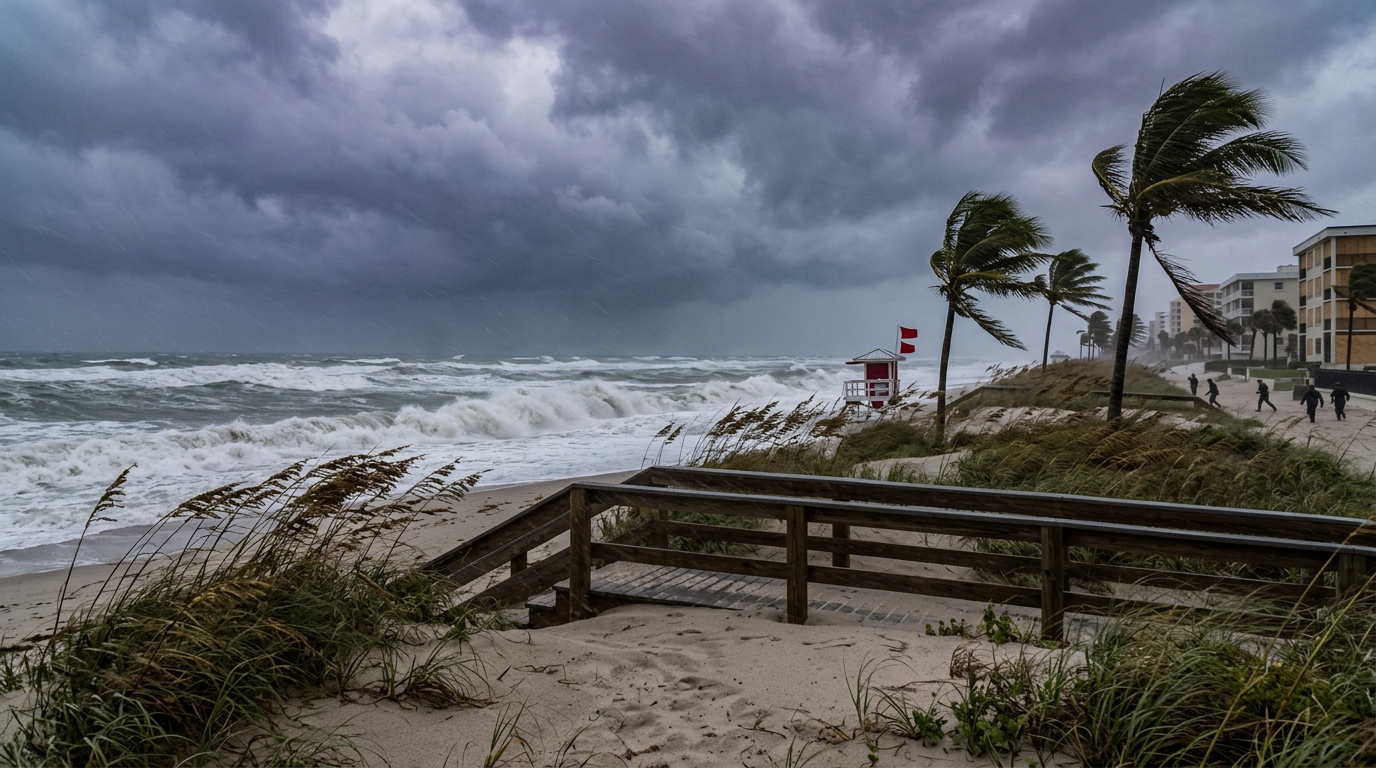
If you’ve owned a home in Southwest Florida for more than a few years, you already know hurricane season isn’t something you prepare for once and forget about. Between Hurricane Ian in 2022 and the back-to-back impacts of Helene and Milton in 2024, SWFL homeowners have learned the hard way what storms can do to coastal homes — and to the expensive systems inside them.
Your home elevator is one of those systems. And it’s one that most homeowners don’t think about until they need it after a storm, flip the switch, and nothing happens.
This guide walks you through exactly how to prepare your residential elevator for hurricane season — before the season starts, before a named storm is in the cone, when a watch or warning is issued, and what to do afterward. We’ll also cover what Florida code actually requires, what your insurance likely won’t cover, and which SWFL-specific factors make elevator prep more critical here than almost anywhere else.
Why This Matters More in Southwest Florida
Hurricane season officially runs June 1 through November 30, but the risk window for SWFL is concentrated in the late summer and fall. The Gulf Coast of Florida — Fort Myers, Cape Coral, Naples, Marco Island, and the barrier islands — is particularly vulnerable to storm surge, which is the single biggest threat to residential elevators.
Forecasters at Colorado State University and AccuWeather have predicted a near-average or slightly below-average 2026 Atlantic hurricane season, largely due to developing El Niño conditions. But here’s the line every coastal meteorologist repeats for a reason: it only takes one. Ian was one storm. It didn’t care about the seasonal forecast.
Three factors make residential elevator hurricane prep non-negotiable in SWFL:
- Storm surge risk. Much of our service area — Fort Myers Beach, Sanibel, Captiva, Bonita Beach, Naples, Marco Island, and the canal-front communities in Cape Coral — sits in evacuation zones where storm surge can flood the lower levels of homes. Even homes built to elevated code can see water in the elevator pit.
- Power loss exposure. Extended outages are routine after major storms. An elevator without power is inoperable — and if a family member relies on it for mobility, that’s a serious problem.
- Salt air and wind-driven rain. Even if your home doesn’t flood, hurricane-force winds drive salt-laden rain into machine rooms, hoistway vents, and electrical systems. Damage often doesn’t appear for weeks or months after the storm.
The 4 Phases of Elevator Hurricane Prep
Proper preparation isn’t a single checklist you run through the day a storm approaches. It’s four distinct phases, each with different priorities.
Phase 1: Pre-Season Preparation (May – Early June)
This is the single most important phase, and it’s the one most homeowners skip.
Schedule a pre-season service visit. A qualified elevator technician should inspect your system before June 1 every year. This isn’t about paranoia — it’s about catching the small issues that become major failures under storm conditions. At Modern Lifts, our pre-season inspections cover:
- Battery backup load testing (these batteries fail silently, usually at the worst possible time)
- Emergency phone and alarm testing
- Door interlock and safety circuit verification
- Hoistway and pit inspection for prior moisture damage
- Machine room weatherproofing check
- Sump pump and float switch testing (if equipped)
- Surge protection verification
- Full operational diagnostic
Replace your backup battery if it’s 3+ years old. Most residential elevator battery backups last 3 to 5 years in Florida heat and humidity. If you can’t remember when yours was last replaced, it’s probably due. A fresh battery means your family can descend safely if power fails mid-ride.
Document your elevator’s make, model, and serial number. After a storm, if you need emergency service, having this information ready cuts hours off the response time. Keep it with your hurricane kit documents — not just saved somewhere on the system itself.
Review your homeowners insurance. Here’s something most SWFL residents don’t realize until they file a claim: standard homeowners policies often exclude or limit coverage for elevator damage, especially from flood. If flood damage to your elevator isn’t covered under your wind policy or flood insurance, you’ll be paying out of pocket for a repair that can easily exceed $15,000. Call your agent before a storm forms, not after.
Phase 2: When a Named Storm Enters the Cone
Once SWFL is in the forecast cone, you’ve typically got 3 to 5 days to prepare. Here’s what to do for your elevator during that window:
Call your elevator service provider. If you haven’t had a pre-season inspection, now is the time. Don’t wait until a watch is issued — every SWFL elevator company gets slammed with service calls in the 48 hours before a storm, and availability becomes limited. Modern Lifts customers with active maintenance plans get priority scheduling during storm prep.
Test your battery backup. Turn off the main breaker to your elevator and verify that the battery backup engages, the emergency lights come on, and the cab descends to the nearest floor. If it doesn’t, you have a few days to get it serviced.
Locate your owner’s manual. You’ll need to know where the manual reset key, the run/stop switch, and the dedicated breaker are located. If you’ve never needed to find these before, now is the time to walk through the process when you’re not stressed.
Clear the area around the machine room. Make sure nothing is blocking access to your elevator’s machine room or control panel. If post-storm inspection becomes necessary, technicians need to get in quickly.
Phase 3: Active Watch or Warning
When a hurricane watch or warning is issued for your area, follow these steps in order:
Step 1: Park the cab at the highest floor. Send your elevator to the top floor it serves. This keeps the electronics, motor, and cab as far from ground-level water as possible. For most SWFL homes that’s the second or third floor — if you have storm surge in your area, every foot of elevation counts.
Step 2: Fully close the cab gate and all landing doors. This is critical. Open doors allow wind-driven rain to infiltrate the hoistway and cab. Close every door completely and verify each one is seated.
Step 3: Turn the cab’s Run/Stop switch to the STOP position. This disables elevator operation and helps protect the control system from power surges.
Step 4: Turn off the main elevator breaker. Locate the dedicated elevator breaker in your electrical panel and turn it to the OFF position. Power surges when utility power is restored after a storm are one of the most common causes of post-hurricane elevator damage. A breaker in the off position is the best protection.
Step 5: Turn off the battery backup. Most systems have a separate switch or disconnect for the battery backup. Turn this off as well. This prevents the battery from draining during a long outage and saves it for when you need it after the storm.
Step 6: Do not use the elevator during the storm. Under no circumstances should anyone ride the elevator during active storm conditions. Power can fail at any moment, and entrapment during a hurricane — when emergency services are unavailable — is a genuine danger.
Phase 4: After the Storm
Do not turn your elevator back on until it has been professionally inspected.
We cannot emphasize this enough. Every hurricane season we get calls from homeowners who powered their elevator back up after a storm, everything seemed fine, and then discovered days or weeks later that undetected water damage had destroyed the control board, motor, or hydraulic system. What might have been a $1,500 repair turned into a $20,000 replacement.
Here’s what to check before calling for service:
Visually inspect the pit (from the bottom landing only — never enter the pit). If you can see water, standing moisture, or mud, the elevator needs professional service before it’s safe to use.
Check the machine room. Look for water infiltration, damage to electrical components, or anything that looks out of place. Don’t touch electrical equipment that shows water exposure.
Inspect the hoistway through the cab gate. Look for water streaks, debris, or anything unusual.
Check the cab itself. Any signs of water intrusion, strange smells (especially electrical burning or mildew), or physical damage mean you need service before the elevator is used.
When you’re ready to call for service, tell the technician:
- What you observed (water, damage, smells, etc.)
- How long the power was out
- Whether the elevator was properly shut down before the storm
- Whether your home experienced any flooding
What Florida Code Actually Requires
For residential elevators, Florida follows ASME A17.1/CSA B44 safety codes, incorporated through the Florida Building Code. These regulations are stricter in Florida than in most other states specifically because of our hurricane and humidity conditions.
A few key points every SWFL homeowner should understand:
Annual inspections are required for most residential elevators. Your elevator should be inspected annually by a certified inspector with ASME QEI credentials. If it’s been more than a year since your last inspection, you may be out of compliance — and more importantly, you’re operating an elevator whose condition is unknown.
Post-storm damage should be assessed by a qualified technician. While the specific code language varies, insurance carriers and safety regulations generally require that elevators damaged by flood, wind, or power events be professionally inspected and certified safe before return to service.
Modifications and major repairs require permits. If storm damage requires significant repairs — control board replacement, motor replacement, hydraulic system work — your elevator company will handle the permitting through the Florida Bureau of Elevator Safety. This is one reason to work with a properly licensed local contractor rather than a handyman or general electrician.
What Your Insurance Probably Won’t Cover (And Why This Surprises People)
This is the part homeowners wish they’d known before a storm, not after. A few realities:
Flood damage to your elevator is typically only covered by flood insurance — not standard homeowners insurance, and often not by wind policies either. If your home is in a flood zone and you don’t have dedicated flood coverage, a flooded elevator is almost always an out-of-pocket repair.
Power surge damage depends on your policy. Some policies cover surge damage to systems, others don’t. Read the fine print before you need to rely on it.
Preventable damage is often excluded. If you didn’t shut down your elevator properly before a storm, and that failure contributed to the damage, some policies will reduce or deny the claim. Following proper shutdown procedures isn’t just about protecting your equipment — it’s about protecting your coverage.
Replacement vs. repair thresholds vary. Ask your agent specifically how your policy handles a damaged elevator. For a system that cost $40,000 to $80,000 to install, understanding the depreciation and replacement terms matters.
Why Pre-Season Maintenance Pays for Itself
Every hurricane season, we see the same pattern: the homes that had pre-season service come through storms with minor issues we can resolve in a short visit. The homes that didn’t? Major repairs, long service waits (because everyone is calling at once), and in some cases, total system replacement.
A Modern Lifts hurricane-season maintenance plan includes:
- Pre-season comprehensive inspection (May)
- Battery backup testing and replacement as needed
- Surge protection verification
- Emergency system testing (phone, alarm, safety circuits)
- Priority scheduling during active storm warnings
- Priority response for post-storm inspections
- Documentation of system condition for insurance purposes
That last point matters more than most homeowners realize. When you file an insurance claim after a storm, having documentation from a certified technician that your system was in good working order the week before the storm — and a professional damage assessment after — makes the difference between a straightforward claim and a months-long dispute.
Frequently Asked Questions
When should I schedule pre-season elevator maintenance?
For SWFL homes, we recommend scheduling pre-season service between mid-April and late May. June 1 marks the official start of hurricane season, and service availability gets tight as named storms begin forming. If you schedule now, you can pick your day — if you wait, you take what’s available.
Can I leave my elevator running during a hurricane if I have a whole-house generator?
No. Even with backup power, operating the elevator during active storm conditions creates entrapment risk, exposes the system to sudden voltage changes, and provides no meaningful benefit. Park the cab at the top floor, shut it down, and wait for the storm to pass.
My elevator is in a home that was built elevated above the flood line. Do I still need to worry?
Yes. Elevated construction helps — a lot — but salt air, wind-driven rain, and power surges affect elevators regardless of elevation. Homes in Captiva, Sanibel, Fort Myers Beach, and elevated coastal builds in Naples and Marco Island still need full hurricane prep.
I’m a snowbird and won’t be in Florida during hurricane season. What should I do?
Before you leave, schedule a pre-season inspection, verify the battery backup, and shut down the elevator following the same procedure you’d use for an active storm (parked at top floor, doors closed, Run/Stop off, breaker off, battery disconnect off). Consider a post-storm inspection agreement with a local company so that if a storm hits, someone can check your home and elevator before you return. We offer this service for our seasonal clients throughout SWFL.
What if my elevator was damaged in a past storm and hasn’t been inspected since?
Call for service before hurricane season starts. Cumulative damage from prior storms is one of the top reasons we see catastrophic failures during subsequent seasons. Salt corrosion, undetected moisture damage, and weakened components that survived one storm often don’t survive the next.
How long does a pre-season inspection take?
For most residential elevators, a thorough pre-season inspection takes 60 to 90 minutes. Repairs or battery replacement may add time. We schedule these throughout April and May across our service area.
Do you offer post-storm inspections?
Yes. Modern Lifts provides post-storm elevator inspections throughout Fort Myers, Cape Coral, Bonita Springs, Estero, Naples, and Marco Island. After any named storm that impacts SWFL, we prioritize scheduling for homes in the affected areas. Schedule a post-storm inspection →
Protect Your Investment. Protect Your Family.
A residential elevator is a major home investment — often $40,000 to $80,000 for new installation — and for many SWFL families, it’s the system that allows an aging parent to stay in the home they love, or a family member with mobility challenges to move freely between floors.
Hurricane prep isn’t paranoia. It’s protecting that investment and the people who depend on it.
If you haven’t had your elevator serviced yet this year, now is the time. We’d rather see you in April or May for a routine checkup than in September after a storm.
📞 (239) 499-3599 📍 Serving Cape Coral, Fort Myers, Fort Myers Beach, Sanibel, Captiva, Estero, Bonita Springs, Naples, and Marco Island
Schedule Your Pre-Season Inspection →
Modern Lifts, LLC is a licensed and insured residential elevator company based in Fort Myers, Florida. We specialize in the installation, modernization, service, and repair of home elevators throughout Southwest Florida. This guide is provided for educational purposes and does not replace professional service or inspection. Always consult a qualified elevator technician for your specific system.